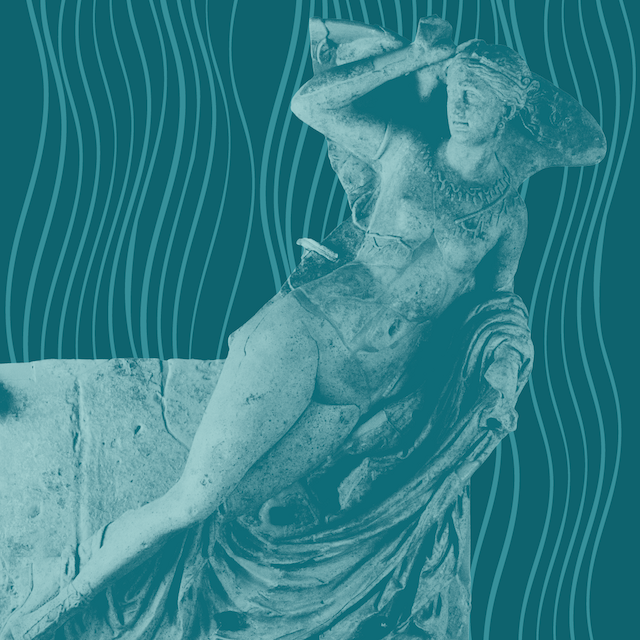
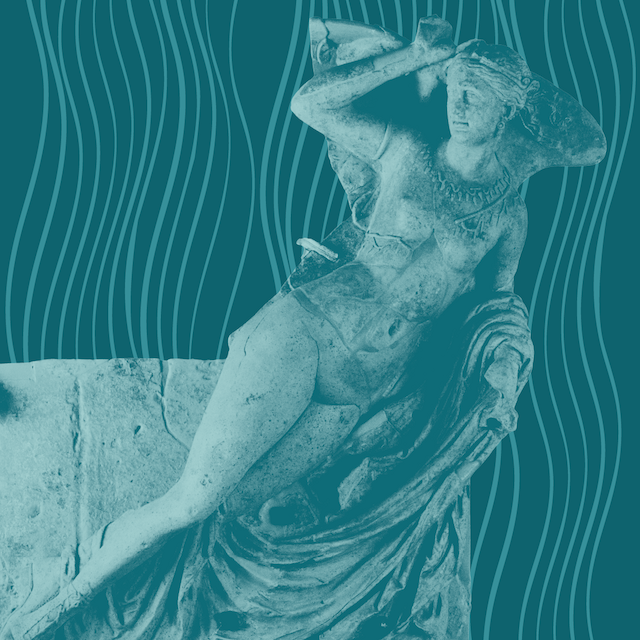
14 October 2026 – 10 January 2027
Etruschi e Veneti.
Acque, culti e santuari
(Etruscans and Veneti. Water, Cults and Sanctuaries)
A collaboration with the Fondazione Musei Civici di Venezia, under the patronage of the Ministry of Culture and the National Institute of Etruscan Studies.
Fondazione Luigi Rovati in Milan presents the exhibition Etruschi e Veneti. Acque, culti e santuari (Etruscans and Veneti. Water, Cults and Sanctuaries), a major exhibition project created in collaboration with the Fondazione Musei Civici di Venezia and under the patronage of the Italian Ministry of Culture and the Istituto Nazionale di Studi Etruschi ed Italici (National Institute of Etruscan and Italic Studies). Curated by Giovanna Gambacurta, Laura Maria Michetti, Giulio Paolucci, Chiara Squarcina and Margherita Tirelli, the exhibition continues — as a distinct and complementary project — the path opened at Palazzo Ducale in Venice.
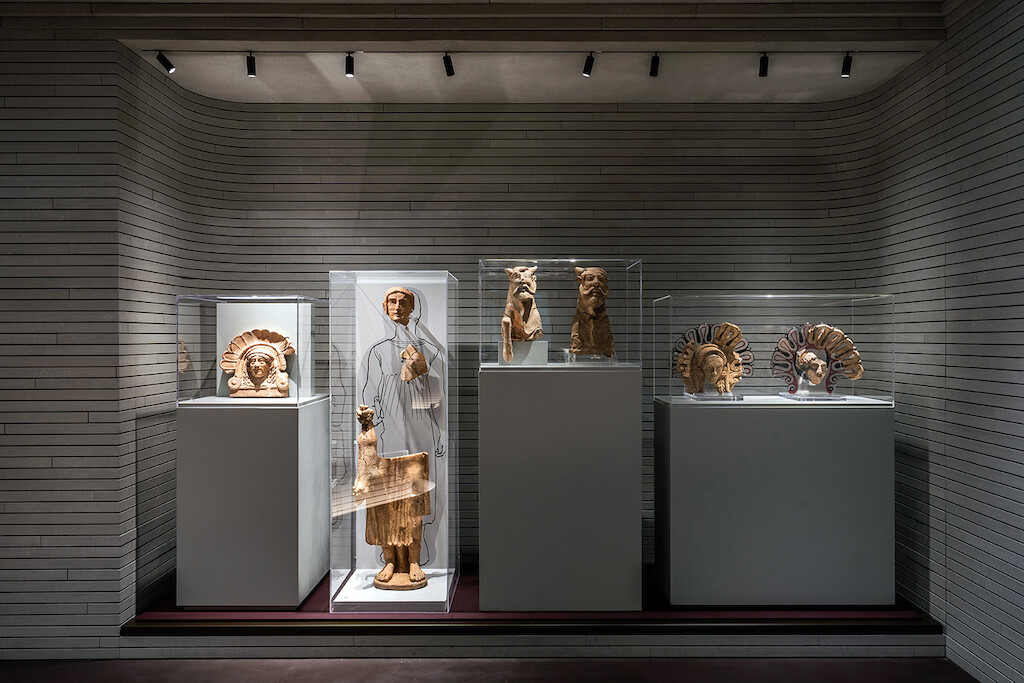
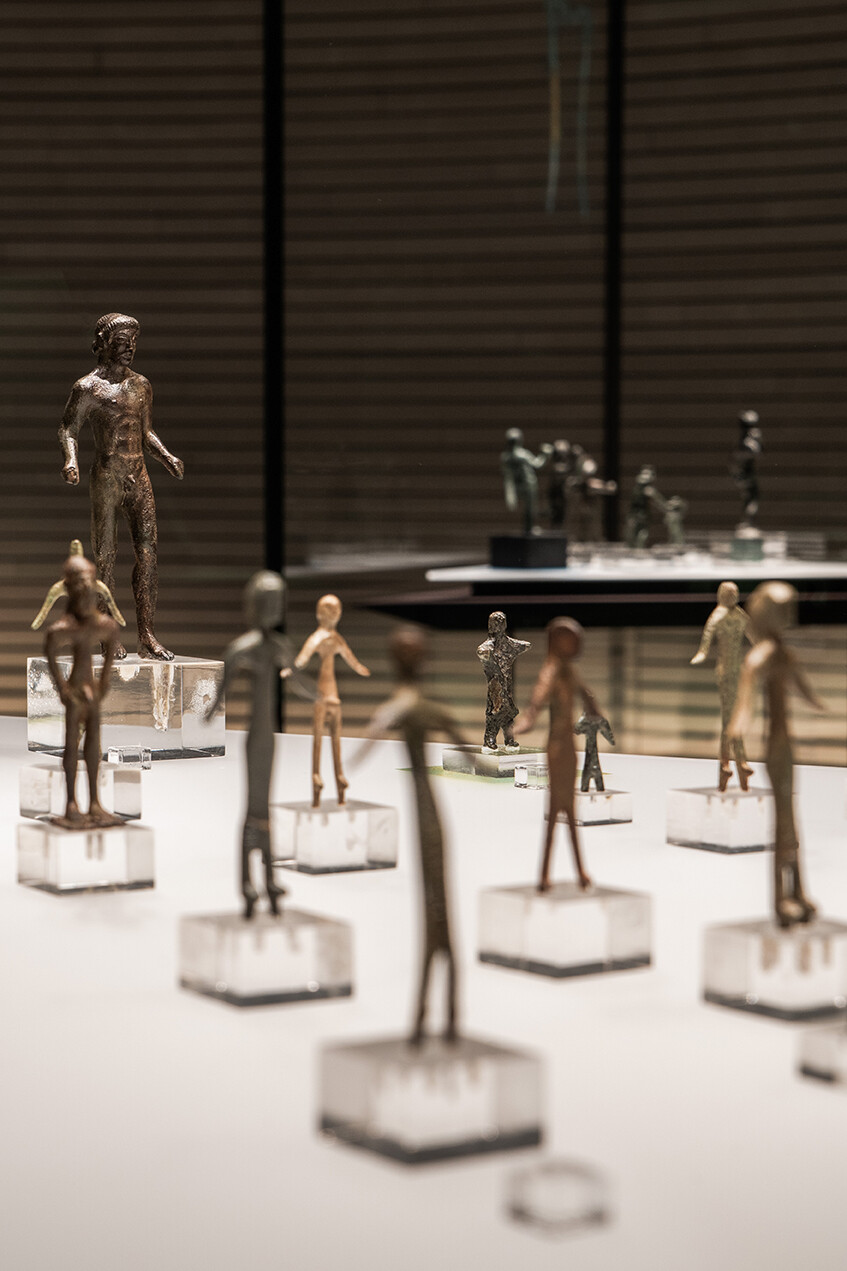
The exhibition offers an original and distinctive comparison of the foundational role of water within the sacred sphereand in the development of two major civilisations of pre-Roman Italy, the Etruscans and the Veneti, during the first millennium BC. Seas, rivers, healing springs and thermal waters served as privileged settings for contact with the divine: places of healing, often connected to myth and inhabited by deities, but also spaces that supported community life, travel and cultural exchange. The exhibition highlights the similarities and differences between the Etruscans and the Veneti: convergences in their choice of materials, particularly terracotta and bronze, and in their votive practices, including the deposition of offerings in water and the use of miniature or deliberately non-functional objects; and divergences in the monumental scale and elaborate terracotta decoration of the great Etruscan sanctuaries. At several points in the exhibition, Etruscan and Venetic artefacts are placed in direct dialogue, making these connections visually apparent.
The exhibition is structured around the principal archaeological contexts associated with water, without drawing a rigid distinction between the two cultural spheres. The section Sacri approdi (Sacred Landings) explores sites including the river port-sanctuary of Este, where the relationship between the goddess Reitia, writing and women’s activities such as spinning and weaving played a central role; Pyrgi, a major Mediterranean port characterised by profound connections between worship, navigation and political power; and Altino, which was open to both Adriatic and inland lagoon routes.
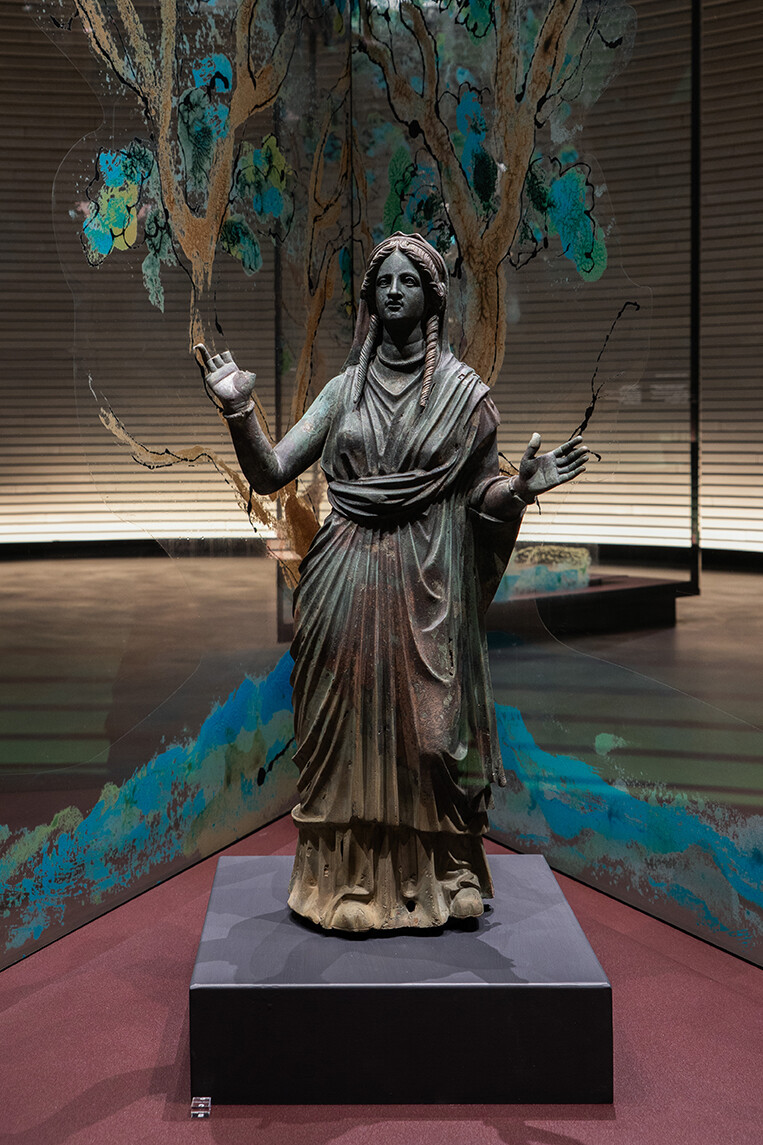
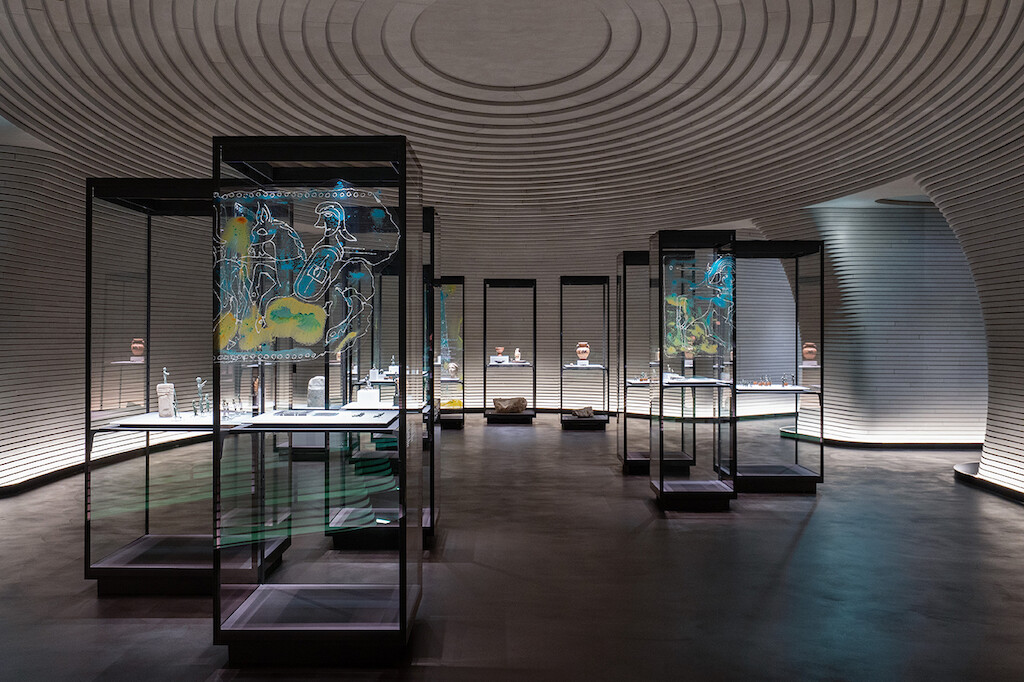
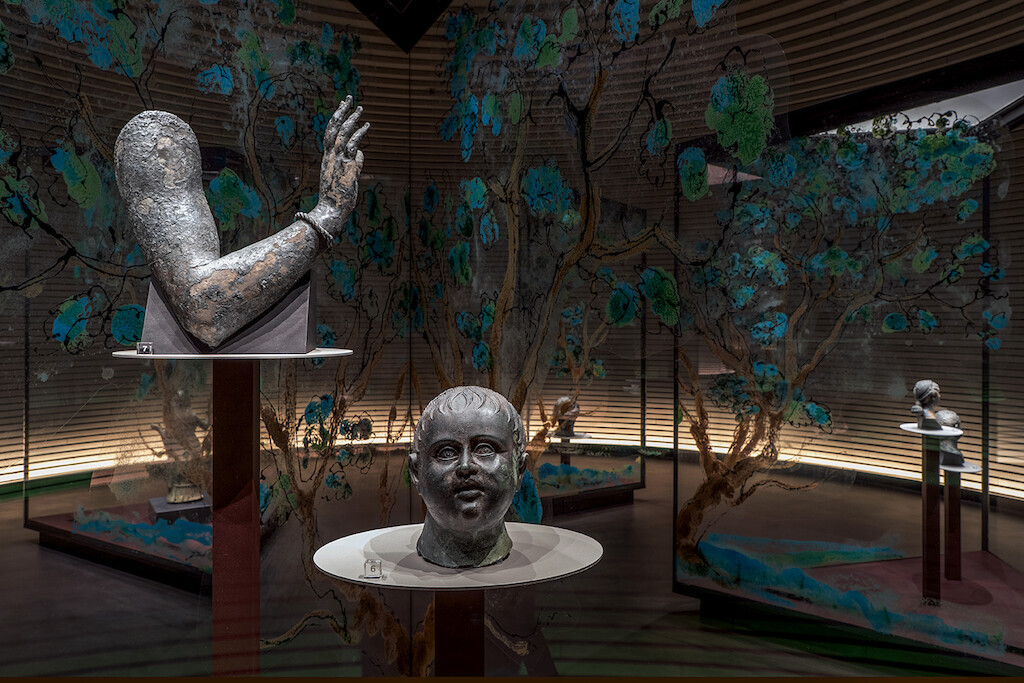
The section Acque miracolose (Miraculous Waters), presented beneath the three domes of the Underground Floor, explores the theme of healing springs through finds from the Etruscan sites of Vulci, Chianciano, Chiusi and Marzabotto, and from the Veneto sites of Montegrotto and Lagole di Calalzo. Of particular importance are the finds from San Casciano dei Bagni: eight bronzes bearing witness to advanced medical practices and complex rituals connected with water, divination and bodily health.
The exhibition is complemented by an evocative installation by the artist Mauro Ceolin, who has used drawing as a means of making the content more accessible and supporting visitors’ understanding of the objects on display.
The catalogue, edited by Chiara Squarcina and Margherita Tirelli, brings together contributions from leading scholars and experts who explore the sacred significance of water for the Etruscans and the Veneti. It examines the principal places of worship and sanctuaries, as well as the most important healing springs, while offering insights into votive and dedicatory practices and the challenges involved in promoting and preserving these archaeological assets.
Texts by Alberta Facchi, Alessandro Asta, Alessandro Conti, Angela Ruta Serafini, Anna Marinetti, Benedetta Prosdocimi, Carla Pirazzini, Chiara Squarcina, Daniele F. Maras, Elisa Biancifiori, Elisabetta Govi, Federica Timossi, Giovanna Gambacurta, Giulio Paolucci, Giuseppe Sassatelli, Heinz-Werner Dämmer, Jacopo Tabolli, Laura M. Michetti, Loredana Capuis, Maddalena Bassani, Margherita Tirelli, Rossella Zaccagnini, Silvia Paltineri, Simona Carosi and Tiziano Trocchi.

STUDY DAY
On Saturday, 7 November, Lucio Rovati and Vittorio Alessandro Sironi will moderate a study day exploring the role of water as a therapeutic, medicinal and cosmetic resource, from antiquity to the present day.
MEDIA PARTNER
Radio Monte Carlo is the radio station of art and major exhibitions. The Italian broadcaster based in the Principality of Monaco has long distinguished itself through the quality of its entertainment and its selection of valuable content, ranging from art and culture to fashion and design. These qualities have made its name synonymous with class, style and elegance. In keeping with this positioning, Radio Monte Carlo will promote the exhibition through its programmes, website (www.radiomontecarlo.net) and social media channels.
GUIDED VISITS
Guided tour of the exhibition every Saturday at 11.00 and 17.00.
WORKSHOPS FOR FAMILIES
Sunday 25 October, Sunday 8 November and Saturday 12 December, at 4.00 pm: Etruscans and Veneti: Deities, Sacred Waters and Small Offerings to the Gods, a workshop with a guided tour for children aged 6 to 10 (duration: 90 minutes).
With the patronage of the Ministry of Culture and the National Institute of Etruscan and Italic Studies.


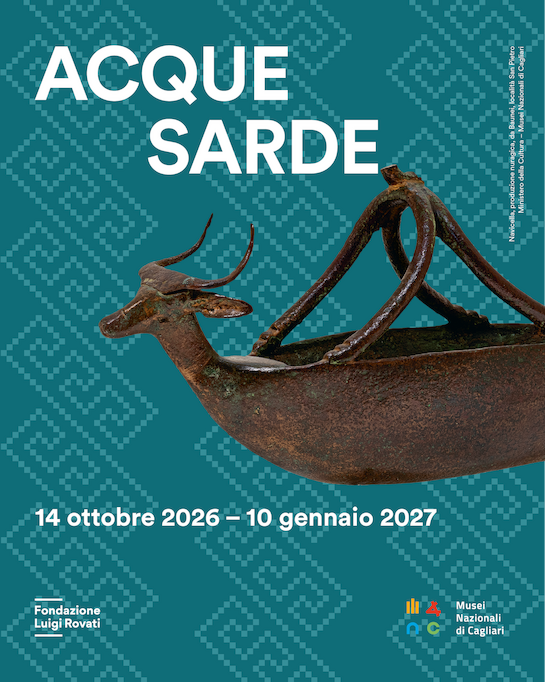
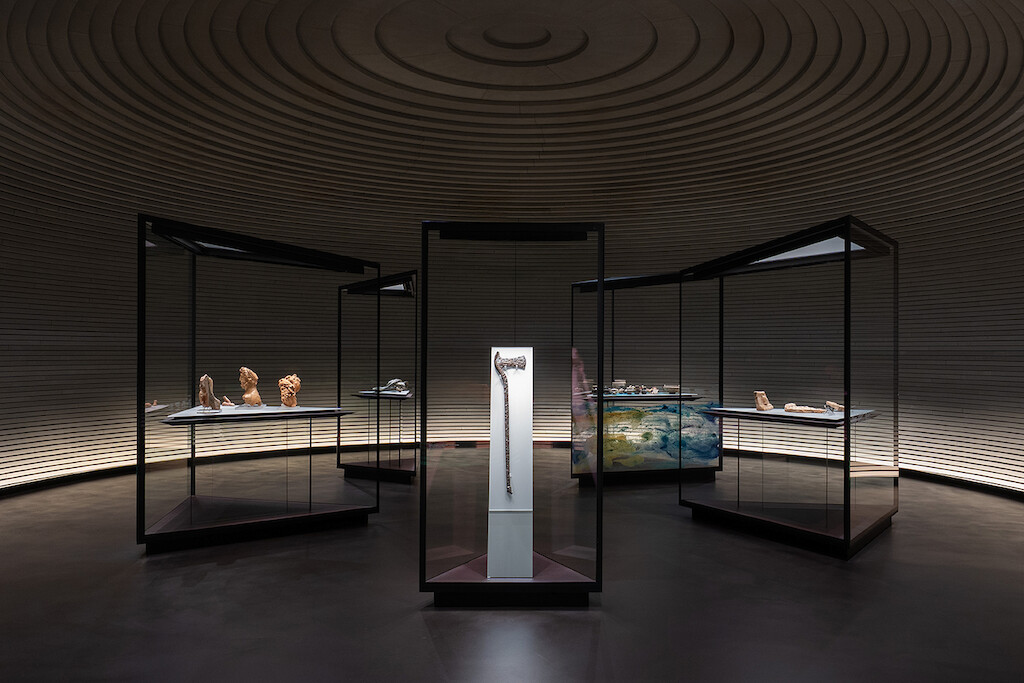
The exhibition expands with a further comparison: a group of Nuragic bronze figurines and votive pottery from the National Archaeological Museum of Cagliari brings Nuragic Sardinia into the exhibition. Here, between the end of the Bronze Age and the early Iron Age, water became the focus of new places of worship: sacred wells and springs, often set within sanctuaries that could bring together different communities.
Here too, ritual centred on the offering: bronze figurines of offerers, archers and boxers, miniature nuraghi and boats, weapons and items of clothing. In a society undergoing profound change, these places gave individuals and emerging groups new ways to assert and represent themselves, confirming the bond between water, the sacred and power.
Media